
Botanical Ingredients for Skin: A 2026 Guide

Table of Contents
- What Are Botanical Ingredients and Why They Matter for Skin
- Core Skin Benefits: Antioxidants, Anti-Inflammatory Properties, and Hydration
- Best Botanical Extracts for Anti-Aging and Collagen Support
- Botanical Solutions for Acne, Oily Skin, and Sensitive Conditions
- Can You Use Manuka Honey on Eczema and Other Sensitive Skin Concerns
- How to Transition to a Botanical Skincare Routine
- Sustainability, Sourcing Ethics, and Formulation Stability
- Frequently Asked Questions
Last Updated: September 25, 2026
What Are Botanical Ingredients and Why They Matter for Skin
Botanical ingredients for skin are plant-derived compounds, oils, extracts, and active compounds, that work with your skin's natural biology to address specific concerns. Unlike synthetic alternatives, these phytonutrients and bioactive compounds interact with your skin at the cellular level, supporting everything from collagen synthesis to free radical scavenging.

At Forev'Herbs, we've spent years sourcing and formulating with botanicals precisely because they deliver measurable results without the irritation that often comes with harsher actives. The difference isn't marketing. It's chemistry meeting intention.
What makes botanical ingredients different from standard skincare? They're not one-size-fits-all solutions. A single plant extract might contain dozens of bioactive compounds working in concert, flavonoids, polyphenols, and triterpenoids all contributing to skin health simultaneously. This complexity is why botanical formulations tend to work better over time rather than delivering dramatic overnight changes.
The real opportunity with botanical ingredients lies in understanding which extracts address which concerns. Rosehip seed oil won't work the same way as bakuchiol. Sea buckthorn berry extract delivers different benefits than camellia oil.
Core Skin Benefits: Antioxidants, Anti-Inflammatory Properties, and Hydration
Botanical ingredients work through three primary mechanisms: antioxidant protection, anti-inflammatory action, and deep hydration. These aren't separate benefits, they work together to strengthen your skin barrier and support cellular regeneration.
Free Radical Scavenging and Environmental Protection
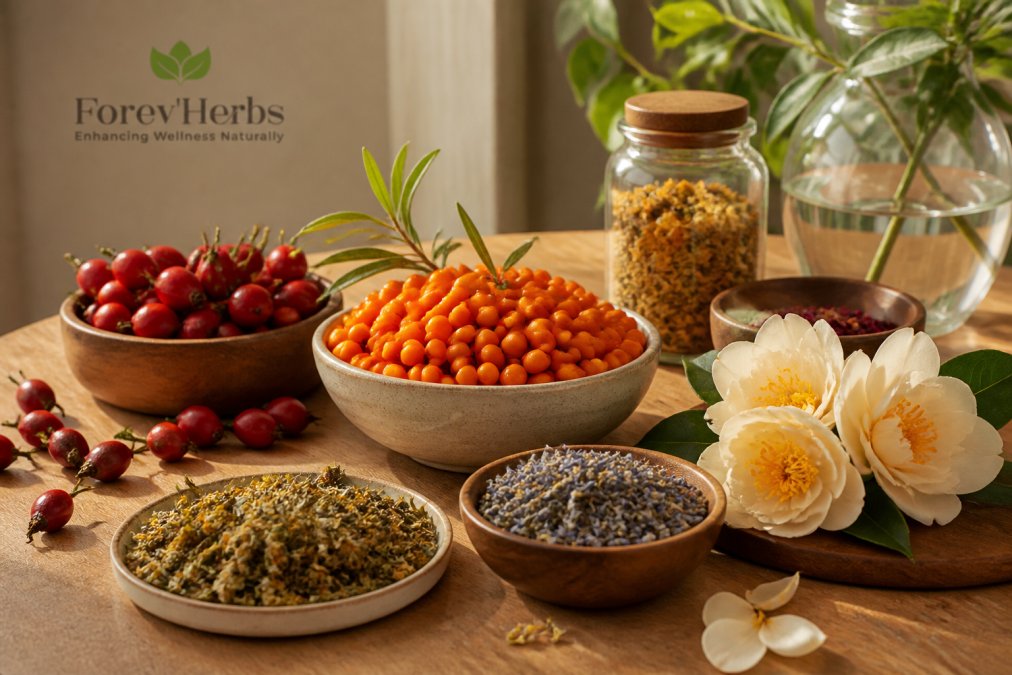
Your skin faces constant environmental stressors, UV exposure, pollution, oxidative stress. Botanical ingredients rich in antioxidants neutralize free radicals before they damage collagen and elastin. This is where extracts like sea buckthorn berry, buriti oil, and rosehip seed oil excel. They're packed with vitamins A, C, and E, plus carotenoids that literally shield your skin from environmental damage.
Soothing Inflammation and Strengthening the Skin Barrier
Inflammation is the root cause of most visible skin problems, redness, sensitivity, breakouts, and accelerated aging. Botanical ingredients with anti-inflammatory properties calm this response without suppressing your skin's natural immune function.
Deep Hydration and Cellular Regeneration
Hydration isn't just surface-level moisture. True hydration means supporting your skin's ability to retain water at the cellular level. Botanicals like tremella mushroom extract and hyaluronic acid-rich plant extracts draw moisture into the dermis and help lock it there.
Best Botanical Extracts for Anti-Aging and Collagen Support
Anti-aging isn't about erasing time, it's about supporting your skin's natural ability to maintain firmness, elasticity, and radiance. Certain botanical extracts excel at stimulating collagen synthesis and protecting existing collagen from breakdown.
Plant-Based Retinol Alternatives and Collagen Synthesis
Bakuchiol and other plant-derived retinol alternatives deliver retinol-like benefits without the irritation (pubmed.ncbi.nlm.nih.gov). These botanicals work with your skin's existing processes rather than forcing change, which is why they're suitable for sensitive skin and can be used daily without the adjustment period traditional retinoids require.
Addressing Hyperpigmentation and Uneven Tone
Hyperpigmentation happens when tyrosinase (the enzyme responsible for melanin production) becomes overactive. Botanical ingredients that inhibit tyrosinase, like vitamin C-rich rosehip, kojic acid alternatives, and arbutin from bearberry extract, visibly reduce dark spots and uneven tone over consistent use.
Botanical Solutions for Acne, Oily Skin, and Sensitive Conditions
Not all botanical ingredients are created equal for acne-prone skin. The key is finding extracts with antimicrobial properties that don't strip your skin or disrupt the skin microbiome.
Can You Use Manuka Honey on Eczema and Other Sensitive Skin Concerns
Manuka honey is a specific type of honey from New Zealand with unique antimicrobial and healing properties. The question isn't whether you can use it, it's whether it's the right choice for your specific eczema presentation.
Anti-Aging (Skin Tightening) Facial →
How to Transition to a Botanical Skincare Routine
Switching to botanical ingredients doesn't mean overhauling your entire routine overnight. A gradual transition prevents irritation and lets you identify which specific botanicals work best for your skin.
Patch Testing Protocols and Monitoring Your Skin
Before introducing any new botanical ingredient, patch test on a small area, inner arm or behind the ear, for 24-48 hours. This identifies potential sensitization before it affects your face. This is especially important if you have reactive skin or are coming from synthetic skincare.
Building Your Routine: Layering and Timing
Start with a gentle botanical cleanser, then add one active botanical product, a serum or oil. Use this combination for two weeks before adding anything else. This allows your skin to acclimate and lets you assess results clearly.
Sustainability, Sourcing Ethics, and Formulation Stability
The botanical skincare industry has a sustainability problem. Overharvesting of rare plant species, unethical farming practices, and environmental degradation are real concerns. This is why sourcing matters as much as the ingredients themselves.
Understanding Extract Concentration and Bioavailability
Not all botanical extracts are created equal. Concentration matters enormously. A product claiming to contain rosehip might have 1% or 30%, the difference in efficacy is massive. Similarly, bioavailability, how much of the active compound your skin actually absorbs, determines whether you're getting real results or paying for marketing.
Botanical-Drug Interactions and Safety Considerations
Certain botanical ingredients interact with medications or medical conditions. St. John's Wort, for example, can interfere with birth control and some antidepressants. Ginkgo biloba can thin blood. If you're on medications or have a medical condition, research specific botanical ingredients before use.
Frequently Asked Questions
What are botanical ingredients and how do they differ from synthetic skincare actives?
Botanical ingredients are plant-derived compounds extracted from leaves, flowers, seeds, roots, and fruits. They contain phytonutrients and bioactive compounds like antioxidants and anti-inflammatory agents. Unlike synthetic actives, botanicals work with your skin's natural processes through multiple pathways. They're often gentler and suitable for sensitive skin, though their potency depends on extract concentration and formulation stability. Many people prefer botanicals for their natural origin and lower risk of harsh side effects.
Can you use manuka honey on eczema and other inflammatory skin conditions?
Manuka honey has antimicrobial and soothing properties that can help calm eczema-prone skin. Its anti-inflammatory compounds support the skin barrier and reduce irritation. However, eczema is highly individual, and some people may react to honey. Always patch test first on a small area for 24-48 hours before applying to larger affected areas. If you have severe eczema, consult a dermatologist before introducing new ingredients. Manuka honey works best as part of a comprehensive routine that includes proper hydration and barrier support.
What botanical extracts are best for reducing fine lines and supporting collagen production?
Plant-based retinol alternatives like bakuchiol and cacay nut oil support collagen synthesis without irritation. Rosehip seed oil is naturally high in vitamins A and C, promoting cellular regeneration. Sea buckthorn berry extract delivers phytonutrients that enhance elasticity. Camellia oil provides antioxidant protection against environmental stressors that break down collagen. For maximum anti-aging benefit, look for formulations combining multiple extracts, like our Anti-Aging Facial Serum, which blends these actives with clinically studied ingredients like Collageneer to visibly improve texture and firmness.
How do I transition to a botanical skincare routine without irritating my skin?
Start by patch testing new botanical products on a small area of your inner arm or behind your ear for 24-48 hours. Introduce one new product every 1-2 weeks so you can identify which botanicals your skin loves. Begin with a gentle cleanser and moisturizer, then add targeted treatments like serums or oils. Use lower concentrations initially if your skin is very sensitive. Keep your routine simple at first, hydration and barrier support matter most. Monitor for redness, itching, or irritation. If your skin adjusts well, gradually layer in additional botanical actives like anti-aging serums or targeted treatments for specific concerns.
Are botanical skincare products safer for sensitive skin than conventional products?
Botanical products can be gentler because they contain fewer synthetic chemicals and harsh preservatives, making them suitable for sensitive skin. However, 'natural' doesn't automatically mean safe, some botanicals can trigger reactions in sensitive individuals. Key factors include extract purity, formulation stability, and bioavailability. Products free of petroleum, parabens, and synthetic fragrances reduce sensitization risk. Patch testing is essential regardless of ingredient source. Look for brands with transparent sourcing and third-party testing to ensure quality. Many people with eczema and rosacea find relief with well-formulated botanical products, but individual responses vary.
What should I look for in terms of botanical ingredient quality and sourcing?
Quality botanical skincare prioritizes extract concentration, higher concentrations deliver more bioactive compounds. Look for brands that disclose sourcing practices and prioritize sustainable, ethical harvesting. Third-party testing and certifications (like Natural Business certification) verify purity and potency. Reputable brands provide information about how botanicals are extracted and preserved to maintain stability. Avoid vague claims like 'botanical blend' without ingredient specifics. Ask whether extracts are standardized and whether the brand tests for contaminants. Transparent sourcing ensures you're getting authentic botanical benefits, not just marketing speak.
Can botanical ingredients interact with medications or other skincare actives?
Some botanicals can interact with medications, especially blood thinners, immunosuppressants, or photosensitizing drugs. St. John's Wort, for example, can reduce medication efficacy. High-dose vitamin A botanicals may interact with retinoid prescriptions. If you take medications or use prescription skincare, consult your doctor or dermatologist before introducing botanical products. Interactions are rare at typical skincare concentrations, but transparency matters. Start with lower concentrations and introduce botanicals gradually. Most botanical skincare is safe when used as directed, but individual health profiles vary. Always disclose your full skincare and supplement routine to healthcare providers.