
Natural Eczema Remedies for Children: Relief Guide

Table of Contents
- Understanding Eczema in Children
- Natural Eczema Triggers for Kids: What Parents Need to Know
- Best Organic Skincare for Eczema-Prone Skin
- How to Bathe a Child with Eczema Safely
- Diluted Bleach Baths and Medical Approaches
-
Creating a Daily Eczema Management Routine
- Why Routine Matters More Than Individual Products
- The Complete Morning Routine (5-7 minutes)
- The Complete Evening Routine (10-15 minutes)
- Midday Touch-Up Protocol (2-3 minutes)
- Weekly Deep-Care Routine (30 minutes, once weekly)
- Laundry and Clothing Protocol
- Home Environment Adjustments
- Tracking and Adjusting Your Routine
- When to Consult a Pediatrician
- Frequently Asked Questions
Last Updated: September 20, 2026
Understanding Eczema in Children
Eczema in children is a chronic inflammatory skin condition characterized by intense itching, redness, and dry patches. When the skin barrier becomes compromised, moisture escapes and irritants penetrate, driving the relentless itch parents witness.
The condition typically begins before age five and can persist into adulthood. Natural eczema remedies for children work best when they address the root cause: restoring and maintaining a healthy skin barrier.
Natural Eczema Triggers for Kids: What Parents Need to Know
Understanding the Trigger Mechanism
Eczema flare-ups rarely happen randomly. They occur when a specific irritant or stressor breaches an already-compromised skin barrier, triggering an inflammatory cascade. Understanding how triggers work, not just what they are, helps parents predict and prevent flare-ups rather than react to them.
When an irritant contacts eczema-prone skin, it penetrates the weakened barrier and activates immune cells called Langerhans cells. These cells recognize the substance as a threat and release inflammatory cytokines, causing the characteristic redness, itching, and swelling. This process can begin within minutes of exposure but may take hours or even days to fully manifest, which is why parents often struggle to connect cause and effect.
Environmental Triggers: Patterns and Mechanisms
Temperature and humidity fluctuations are among the most common culprits. Winter heating systems reduce indoor humidity to 20-30%, far below the optimal 40-60% range, causing predictable worsening.
Chlorine and pool chemicals strip away the skin's natural lipid layer, causing flare-ups within 2-4 hours of exposure without proper post-swim care.
Fragrances and fragrance-containing products hide in laundry detergents, fabric softeners, dryer sheets, and even "unscented" products, triggering reactions in sensitive children.
Dust mites and mold thrive in humid bedding and trigger flare-ups. Detergent residue irritates skin and promotes dust mite proliferation.
Dietary Triggers: Testing and Identification
Approximately 30% of children with eczema have food sensitivities, most commonly milk, eggs, peanuts, tree nuts, fish, shellfish, soy, and wheat. Skin inflammation can manifest 6-48 hours after ingestion. To identify dietary triggers, keep a food and symptom diary for 2-3 weeks, then eliminate suspected triggers for 4 weeks to observe improvement.
Stress, Sleep Disruption, and the Itch-Scratch Cycle
Stress and anxiety intensify itching, while sleep disruption creates a vicious cycle that worsens inflammation. Address stress through routine, predictability, and emotional support alongside topical treatment.
Creating a Personal Trigger Profile
Systematically identify which triggers affect your child's skin by tracking environmental conditions, diet, and stress/sleep for 3-4 weeks. Note flare-up timing and severity. Over time, patterns emerge that allow you to prevent flare-ups proactively.
Best Organic Skincare for Eczema-Prone Skin
Colloidal Oatmeal and Botanical Oils
Colloidal oatmeal is finely ground and suspended in liquid, allowing it to coat the skin and reduce inflammation. Botanical oils like tamanu, calendula-infused, and jojoba oil penetrate deeply to nourish skin while providing antioxidant and anti-inflammatory support. Combined in a cream formulation, they create a powerful soothing effect.
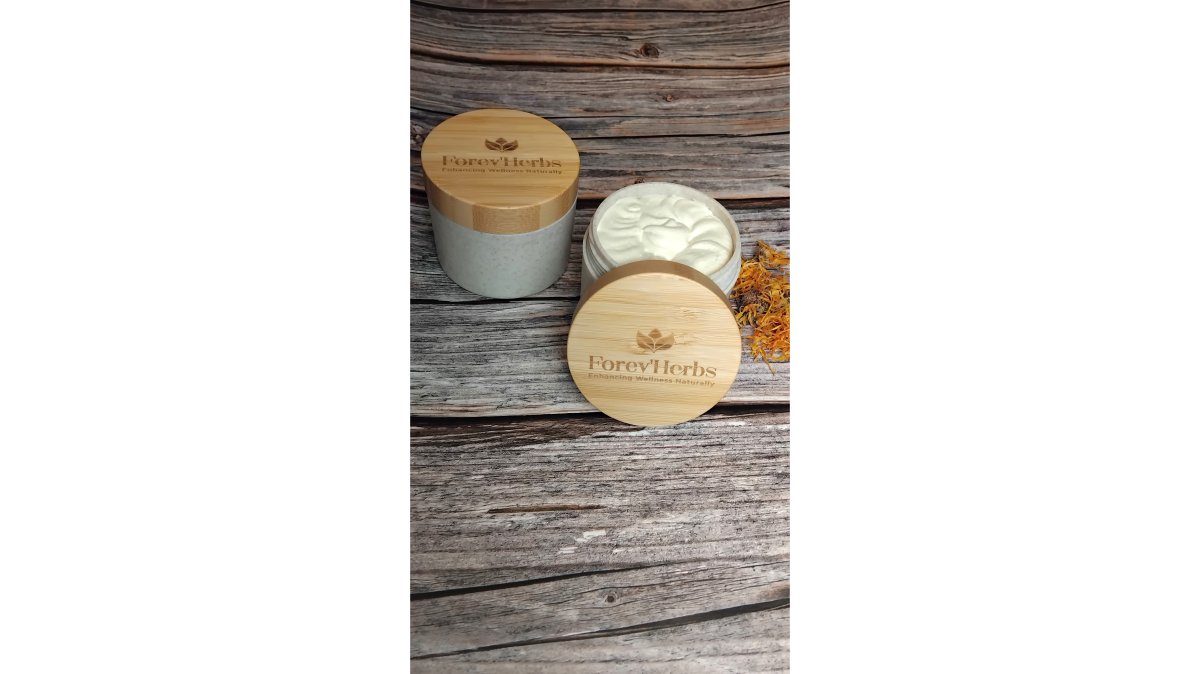
The Forev'Herbs Eczema Cream combines colloidal oatmeal with tamanu oil, calendula-infused olive oil, castor oil, and jojoba oil to calm irritation and restore comfort. Apply a small amount to affected areas two to three times daily.

The Role of Emollients and Skin Barrier Support
Emollients like shea butter, mango butter, and refined oils restore the skin's natural protective layer. Zinc oxide provides additional barrier support and helps seal moisture into the skin. This multi-layered approach to barrier repair distinguishes effective natural eczema remedies for children from surface-level treatments.
The best organic skincare for eczema includes products specifically formulated to strengthen rather than strip the skin. Avoid products with fragrance, alcohol, or harsh surfactants, these compromise the barrier further. Look for formulations that prioritize emollients, botanical extracts, and proven soothing ingredients like colloidal oatmeal.
How to Bathe a Child with Eczema Safely
Step-by-Step Bathing Routine
Bathing a child with eczema requires a deliberate approach that cleanses without stripping or irritating. The goal is to remove dirt and sweat while preserving the skin's natural oils and moisture.
Step 1: Use lukewarm water. Lukewarm water (around 90-95°F) cleanses effectively without triggering inflammation. Keep bath time brief, five to ten minutes is ideal.
Step 2: Choose a gentle, fragrance-free cleanser. Standard soaps irritate eczema-prone skin. The Forev'Herbs Unscented Castile Goat Milk Handmade Soap combines gentle cleansing with moisturizing properties.

Step 3: Pat skin dry gently. Rubbing with a towel causes friction that irritates sensitive skin.
Post-Bath Care and Moisturizing
Post-bath moisturizing determines whether bathing helps or harms your child's eczema. Timing and product choice both matter significantly.
Diluted Bleach Baths and Medical Approaches
Diluted bleach baths can reduce bacterial overgrowth that accompanies eczema flare-ups, but should only be used under pediatrician guidance. The concentration must be precise. Many families find that consistent use of natural emollients and gentle cleansing prevents the bacterial issues that would necessitate bleach baths.
Creating a Daily Eczema Management Routine
Why Routine Matters More Than Individual Products
Parents often assume that finding the "right" product will solve eczema. In reality, consistency and timing matter far more than product choice. A mediocre product applied correctly at the right time beats an excellent product applied haphazardly. Eczema management is fundamentally a routine problem, not a product problem.
The Complete Morning Routine (5-7 minutes)
6:00-6:30 AM: Gentle cleansing
Start with lukewarm water (90-95°F) and a fragrance-free, gentle cleanser. Apply a small amount to damp skin, rinse thoroughly, and pat dry with a soft towel, leaving it slightly damp.
6:30-6:35 AM: Immediate moisturizing (the 3-minute window)
6:35-7:00 AM: Dressing and breakfast
The Complete Evening Routine (10-15 minutes)
7:00-7:15 PM: Bath time
Fill the tub with lukewarm water (90-95°F) and add a gentle, fragrance-free cleanser. Keep bath time to 5-10 minutes maximum. Gently wash your child's body, paying special attention to skin folds. Rinse thoroughly and pat skin dry gently, leaving it slightly damp.
7:15-7:25 PM: Intensive moisturizing (the critical window)
7:25-8:00 PM: Calming routine and sleep
Midday Touch-Up Protocol (2-3 minutes)
For children in school or daycare, skin often becomes dry or itchy by mid-afternoon. A quick midday touch-up prevents minor dryness from escalating into a full flare-up.
Weekly Deep-Care Routine (30 minutes, once weekly)
Once weekly, usually on a weekend evening, perform a more intensive skin-care session:
-
Gentle exfoliation (optional, only if skin is not actively inflamed): Use a soft washcloth or gentle exfoliating cloth to remove dead skin buildup. This allows moisturizers to penetrate more effectively. Skip this step if your child has active flare-ups or open skin.
-
Extended soak: Bathe your child for 10-15 minutes in lukewarm water with colloidal oatmeal (about 1 cup of finely ground oatmeal per tub, or use a pre-made colloidal oatmeal bath product). This soothes irritation and prepares the skin for intensive moisturizing.
-
Intensive moisturizing: After the soak, apply body oil generously, followed by a thick cream or balm. For severe eczema, apply a third layer of occlusive balm to problem areas.
-
Occlusive wrap (for severe cases): If your child has very dry patches or cracked skin, apply moisturizer, then cover the area with plastic wrap or an occlusive bandage for 20-30 minutes. This creates a "wet dressing" effect that allows deep penetration and intensive hydration.
Laundry and Clothing Protocol
Clothing and bedding directly contact your child's skin for hours daily. Improper laundry practices can undo all your moisturizing work.
Home Environment Adjustments
Humidity control: Maintain indoor humidity between 40-60%. During winter, when heating systems dry the air to 20-30%, use a humidifier in your child's bedroom and main living areas. During humid seasons, use a dehumidifier if humidity exceeds 60%, as excess moisture promotes bacterial and fungal growth.
Tracking and Adjusting Your Routine
Keep a simple log for 4 weeks: note your child's skin condition each morning and evening (clear, mild dryness, moderate flare-up, severe flare-up), plus any deviations from routine (skipped moisturizer, used different product, environmental change, stressful event). Over time, you'll see which routine elements are most critical for your child and which can be adjusted.
When to Consult a Pediatrician
Consult your pediatrician if your child's eczema shows signs of infection, if severe flare-ups don't improve within one week, if eczema develops before three months of age, or if dietary triggers seem likely.
Frequently Asked Questions
What are the most common triggers for childhood eczema?
Common eczema triggers in children include harsh soaps, fragrances, extreme temperatures, low humidity, certain fabrics like polyester, and foods such as eggs, dairy, and peanuts. Stress and allergens in the home environment also play a role. Identifying your child's specific triggers through observation helps prevent flare-ups. Keep a diary of activities, foods, and skin changes to pinpoint patterns unique to your child's eczema.
How can I soothe my child's eczema flare-up naturally?
During a flare-up, apply fragrance-free emollients like natural oils and botanical creams to calm inflammation and restore the skin barrier. Colloidal oatmeal baths soothe itching and reduce irritation. Keep your child's nails trimmed to prevent damage from scratching. Use cool, damp compresses on affected areas, maintain proper humidity in your home with a humidifier, and avoid known triggers. For severe flare-ups, consult your pediatrician about appropriate treatment options.
What is the best way to bathe a child with eczema?
Use lukewarm water (not hot) for 5-10 minutes, as prolonged bathing strips natural oils. Use fragrance-free, gentle cleansers designed for sensitive skin. Pat skin dry gently without rubbing, leaving it slightly damp. Apply moisturizer or emollient immediately after bathing to lock in hydration and support skin barrier function. Limit baths to once daily unless your child is very active, and avoid harsh soaps and bubble baths that can trigger irritation.
Are there clinical studies showing natural remedies work for pediatric eczema?
Colloidal oatmeal has well-documented soothing properties recognized in dermatology. Botanical oils rich in fatty acids and antioxidants support skin hydration and barrier repair, which are central to eczema management. While traditional remedies have been used for generations, individual results vary based on the severity of eczema and your child's specific skin sensitivities. Always patch-test new products and consult your pediatrician before introducing new treatments, especially for severe or persistent cases.