
Organic Skincare Ingredients to Avoid: A 2026 Guide

Table of Contents
- What Are Toxic Skincare Ingredients?
- Common Organic Skincare Ingredients to Avoid
- The Natural Fallacy: Why 'Organic' Doesn't Always Mean Safe
- How to Read Skincare Labels and Identify Harmful Ingredients
- Natural Skincare for Sensitive Skin: What Works Instead
- Building Your Toxic Skincare Ingredients List
- Ingredient Synergy and Environmental Impact
- Frequently Asked Questions
Last Updated: September 21, 2026
What Are Toxic Skincare Ingredients?
Toxic skincare ingredients can irritate skin, disrupt hormonal function, or accumulate in the body over time. Understanding which ones to avoid helps you make informed choices about what touches your skin daily. The challenge: "natural" and "organic" labels don't automatically mean a product is safe, many plant-derived ingredients carry their own risks, especially for sensitive skin types.
Common Organic Skincare Ingredients to Avoid
Parabens and Their Health Risks
Parabens are preservatives used to prevent bacterial and fungal growth. The concern: they may mimic estrogen in the body, potentially disrupting hormonal balance with repeated dermal absorption over years of use.
Synthetic Fragrances and Volatile Compounds
Synthetic fragrances are complex mixtures of volatile compounds. The problem: manufacturers can simply list "fragrance" or "parfum" without disclosing individual ingredients, meaning you're applying an unknown chemical cocktail to your skin.
Sulfates: Why They Dry Out Skin
Sulfates like sodium lauryl sulfate and sodium laureth sulfate create lather and remove oils from skin. The trade-off: they strip away your skin's natural protective oils, leaving it dry, irritated, and more vulnerable to damage.
Phthalates and Endocrine Disruption
Phthalates are chemicals added to fragrances to help scent molecules adhere to skin longer. Like synthetic fragrances, they're hidden under the term "fragrance" on ingredient lists. Research has linked phthalates to endocrine disruption and reproductive health concerns (pubmed.ncbi.nlm.nih.gov).
Formaldehyde-Releasing Preservatives
Some skincare products contain preservatives that slowly release formaldehyde, a known irritant and potential carcinogen. Common culprits: DMDM hydantoin, imidazolidinyl urea, and diazolidinyl urea. These release formaldehyde gradually, with concentration increasing as the product ages.
Mineral Oil and Comedogenic Ingredients
Mineral oil is a petroleum byproduct used as an occlusive moisturizer. While not toxic, it's highly comedogenic, it clogs pores and traps bacteria beneath the skin's surface, accelerating breakouts in acne-prone skin.
The Natural Fallacy: Why 'Organic' Doesn't Always Mean Safe
The term "organic" on skincare packaging doesn't guarantee safety or efficacy. A product can be 100% organic and still contain ingredients that irritate your skin or accumulate in your body. The "natural" label is largely unregulated.
How to Read Skincare Labels and Identify Harmful Ingredients
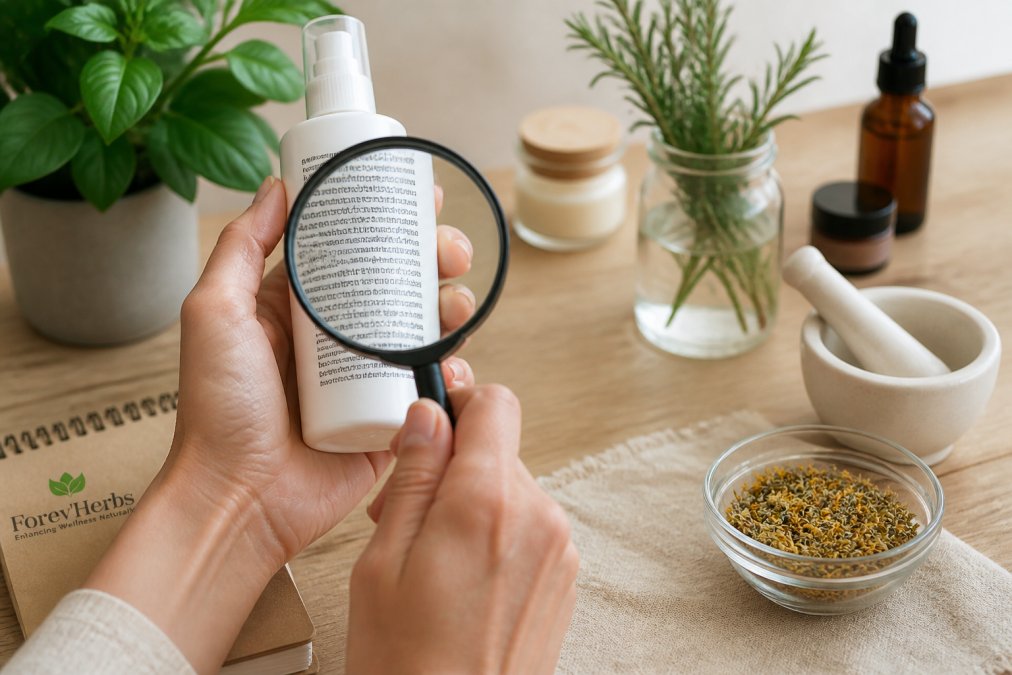
The Concentration Hierarchy
The first five ingredients typically comprise 80% of the formula. If parabens, sulfates, or "fragrance" appear in this top tier, you're getting significant exposure. Ingredients after position five are trace amounts, though some potent irritants cause reactions at low concentrations.
Decoding Hidden Ingredient Names
Manufacturers use chemical nomenclature that obscures ingredient identity. "Fragrance" or "parfum" can represent 50+ undisclosed compounds, potentially including phthalates, synthetic musks, and volatile allergens. If a brand won't list fragrance components individually, that's a red flag.
Preservatives hide behind technical names most consumers won't recognize:
- Parabens: methylparaben, propylparaben, butylparaben, ethylparaben, isopropylparaben
- Formaldehyde-releasers: DMDM hydantoin, imidazolidinyl urea, diazolidinyl urea, methenamine
- Phenoxyethanol: a preservative linked to reproductive concerns in animal studies; common in "natural" brands
Understanding Certification Claims
The USDA Organic seal means at least 95% of ingredients are certified organic, the gold standard. "Made with organic ingredients" requires only 70% organic content, and "natural" requires no third-party verification.
The Ingredient List Red Flags
Beyond specific chemicals, look for structural warning signs:
Vague language: "Proprietary blend," "trade secret formula," or "botanical complex" indicate hidden ingredient specifics.
Unscented Castile Goat Milk Handmade →
Practical Label-Reading Workflow
- Scan the top five ingredients: Are they bases (water, glycerin, oils) or actives (vitamins, peptides, botanical extracts)? This tells you the formula's primary function.
- Search for your known irritants: Use a smartphone app like INCIDecoder or search the ingredient name on the Environmental Working Group's Skin Deep database for hazard ratings.
- Check for fragrance disclosure: If "fragrance" or "parfum" appears, contact the brand and ask for a full fragrance ingredient list. Transparent companies provide this; evasive ones don't.
- Verify certifications: Click the certification badge or visit the certifying organization's website to confirm the product is actually listed.
- Note the preservative system: Identify which preservatives are used and whether they're synthetic or natural. Both can be safe; the key is transparency and proven efficacy.
A product with a 15-ingredient list you can pronounce and understand is far safer than a 40-ingredient formula with hidden fragrance blends and vague botanical complexes, regardless of whether either is labeled "organic."
Natural Skincare for Sensitive Skin: What Works Instead
For sensitive skin, simplicity is your strongest strategy. Look for products with short, recognizable ingredient lists featuring gentle bases like goat milk, plant oils, and botanical extracts without added fragrance or preservatives. Goat milk is naturally moisturizing and pH-balanced, helping restore your skin barrier. Oatmeal provides gentle exfoliation. Unscented formulations eliminate fragrance-related reactions.
Building Your Toxic Skincare Ingredients List
Create a personal reference list of ingredients to avoid based on your skin's specific needs and sensitivities. Start with the common culprits covered in this guide: parabens, sulfates, phthalates, formaldehyde-releasing preservatives, and synthetic fragrances. If you have eczema or psoriasis, add mineral oil and highly fragranced products. If you're sensitive to essential oils, note that too.
| Ingredient Category | Names to Avoid | Why | Alternative |
|---|---|---|---|
| Preservatives | Parabens, DMDM hydantoin, imidazolidinyl urea | Hormone disruption, formaldehyde release | Natural preservative systems, shorter shelf life |
| Cleansing agents | Sodium lauryl sulfate, sodium laureth sulfate | Strips skin barrier, causes dryness | Gentle Castile soap, plant-based cleansers |
| Fragrance | "Fragrance," "parfum," phthalates | Unknown compounds, endocrine disruption | Unscented, essential oil-free formulas |
| Moisturizers | Mineral oil | Comedogenic, clogs pores | Plant oils, goat milk, shea butter |
| Irritants | Formaldehyde-releasing compounds | Allergic reactions, carcinogen exposure | Stable preservative alternatives |
Ingredient Synergy and Environmental Impact
Most skincare articles treat ingredients as isolated components, parabens are bad, sulfates are bad, mineral oil is bad, without addressing how formulations actually work. In reality, ingredients interact in ways that amplify or mitigate their effects. Understanding synergy transforms you from a label-scanner into someone who can predict how a product will perform on your specific skin.
How Ingredients Interact: Synergy in Skincare Formulas
When multiple drying agents appear together, their effects compound. A cleanser with both sodium lauryl sulfate and alcohol strips far more aggressively than either alone. Conversely, a gentle cleanser paired with glycerin and plant oil creates a synergistic moisturizing effect.
Environmental Persistence and Bioaccumulation
Ingredient safety extends beyond your skin to aquatic ecosystems and the broader environment, a connection most skincare articles ignore.
Making the Connection: Health + Environmental Values
Choosing products with biodegradable, sustainably sourced ingredients aligns personal health and environmental values. A product with mineral oil harms your skin barrier and persists in waterways; a product with plant oils nourishes your skin and breaks down safely. Forev'Herbs prioritizes this alignment: our handmade soaps use ethically sourced, fair-trade botanicals and plant-based ingredients that biodegrade completely, protecting both your skin and the environment.
Frequently Asked Questions
What are the top 5 ingredients to avoid in organic skincare products?
The most problematic ingredients include parabens (endocrine disruptors), synthetic fragrances (allergen triggers), sulfates (skin-barrier strippers), phthalates (reproductive hazards), and formaldehyde-releasing preservatives (carcinogenic). Even in products labeled 'organic,' these chemicals can slip through if sourced from botanical extracts or synthetic preservative systems. Always check the full ingredient list rather than relying on marketing claims alone.
How do I read skincare labels to identify toxic ingredients?
Ingredients are listed by concentration, highest to lowest. Look for the first five ingredients, these comprise 80% of the product. Scan for known irritants like parabens, sulfates, and phthalates. Check for vague terms like 'fragrance' or 'parfum,' which can hide dozens of undisclosed chemicals. Use the INCI (International Nomenclature of Cosmetic Ingredients) naming system to decode scientific names. Patch test new products on your inner arm for 24-48 hours before full application.
Is natural skincare for sensitive skin always safer than synthetic?
Not necessarily. Natural ingredients like essential oils and botanical extracts can trigger contact dermatitis and allergic reactions in sensitive skin. Conversely, some synthetic ingredients are hypoallergenic and dermatologically tested. The key is ingredient transparency and third-party testing, not whether something is labeled 'natural.' Look for products with minimal ingredient lists, no fragrance, and hypoallergenic certification rather than assuming natural equals safe.
What should I look for in a toxic skincare ingredients list before buying?
Create a personal list based on your skin's sensitivities: note parabens, sulfates, mineral oil, synthetic fragrances, and any ingredients that triggered reactions in the past. Cross-reference against the FDA's cosmetic ingredient database and dermatological studies. Check for regulatory compliance and third-party certifications like cruelty-free or natural business certification. Prioritize brands that disclose sourcing and preservative systems, and avoid vague marketing terms like 'clean' without supporting evidence.
Can organic skincare still contain harmful chemicals?
Yes. The term 'organic' is loosely regulated in cosmetics; it typically means some botanical ingredients are certified organic, but the product may still contain synthetic preservatives, fragrances, and emulsifiers. Even organic botanical extracts can cause irritation or bioaccumulation over time. Always verify third-party certifications, request safety assessments from the brand, and review the complete ingredient list. Forev'Herbs's Silver Certified Natural Business status means rigorous ingredient vetting beyond just 'organic' labeling.
What's the difference between a preservative system and formaldehyde-releasing preservatives?
Preservative systems use multiple gentle ingredients (like vitamin E or rosemary extract) to prevent bacterial growth. Formaldehyde-releasers are synthetic chemicals that slowly release formaldehyde over time, a known carcinogen and skin irritant. Many brands hide these under names like DMDM hydantoin or imidazolidinyl urea. Look for brands using natural preservation methods or safer synthetic alternatives. Unscented products with minimal water content require fewer preservatives, making them safer for reactive skin.
How do I know if a skincare brand is truly natural and not greenwashing?
Look for third-party certifications like Natural Business certification, Fair Trade, or cruelty-free labels, not just marketing claims. Request the brand's safety assessment, toxicology data, and ingredient sourcing documentation. Transparent brands disclose supplier names and testing protocols. Check for regulatory compliance with FDA cosmetic guidelines. Avoid vague language like 'clean' or 'pure' without supporting evidence. Brands with long track records and community certifications (like Montgomery County Green Business) demonstrate genuine commitment beyond marketing.