
Why Botanical Extracts for Skin Health: A Complete Guide

Table of Contents
- What Are Botanical Extracts and Why They Matter for Skin
- The Real Benefits of Botanical Extracts for Skin
- Best Botanical Ingredients for Skin and Their Proven Uses
- How to Use Botanical Extracts in Skincare Routines
- Botanical Skincare Ingredients for Sensitive Skin
- What Sets Quality Botanical Extracts Apart
- Frequently Asked Questions
Last Updated: October 18, 2026
What Are Botanical Extracts and Why They Matter for Skin
Botanical extracts are concentrated plant compounds from leaves, flowers, roots, bark, and seeds that deliver potent actives directly to skin, which is why botanical extracts for skin health matters for anyone seeking natural skincare solutions.
The difference between a basic moisturizer and a targeted botanical extract is precision. A general cream hydrates; an extract with specific active compounds targets oxidative stress, inflammation, or collagen breakdown.
How Plant Extracts Are Made
Plant extracts begin with raw botanical material, typically dried leaves, seeds, or berries, processed to isolate active compounds. The extraction method determines which phytochemicals end up in the final product and how potent they become.
Common extraction methods include:
- Cold pressing: Used for oils like rosehip and camellia, preserving heat-sensitive vitamins and antioxidants
- CO2 extraction: A solvent-free method that captures delicate compounds without degradation
- Maceration: Soaking plant material in oil or alcohol to draw out beneficial compounds over time
- Water infusion: A gentle method that extracts water-soluble polyphenols and minerals
The method affects concentration: cold-pressed rosehip retains its vitamin A and C, while CO2-extracted sea buckthorn preserves rare carotenoids standard methods might destroy.
Active Compounds That Drive Results
Botanical extracts work because of their chemistry. Polyphenols, flavonoids, and carotenoids are the primary actives behind visible skin benefits. Rosehip contains natural retinoic acid, camellia oil is rich in oleic acid, and sea buckthorn delivers beta-carotene few other ingredients match.
These compounds penetrate the stratum corneum and support cellular function. Bakuchiol, a plant-derived retinol alternative, works through the same pathways as prescription retinol without the photosensitivity or irritation.
The Real Benefits of Botanical Extracts for Skin
Botanical extracts deliver measurable benefits across multiple concerns: antioxidant protection, inflammation management, hydration support, and anti-aging results.
Antioxidant Protection Against Environmental Damage
Environmental aggressors like UV exposure and pollution damage skin cells through free radical formation. Antioxidants neutralize these free radicals before they cause visible aging.
Camellia oil delivers polyphenols and oleic acid that penetrate deeply, protect the barrier, and neutralize oxidative stress. Buriti oil is exceptionally high in beta-carotene, a vitamin A precursor that supports renewal and protects against environmental damage.
Soothing Inflammation and Calming Irritation
Inflammation is the root cause of most common skin concerns: redness, sensitivity, irritation, and barrier dysfunction.
These extracts reduce inflammatory cytokine production in skin cells, meaning relief without topical steroid side effects for sensitive, eczema-prone, or reactive skin.
Introduce soothing extracts one at a time; layering multiple new actives makes it impossible to identify which ingredient is helping or causing a reaction.
Supporting Hydration and Skin Barrier Strength
Hydration isn't just water content, it's barrier function. A compromised barrier loses water, becomes sensitive, and ages faster.
Rosehip seed oil, camellia oil, and buriti oil are occlusive yet lightweight, locking in moisture without feeling greasy.
Botanical oils also contain essential fatty acids (linoleic and oleic acid) that are structural components of skin cell membranes, so they literally help rebuild a compromised barrier.
Addressing Fine Lines and Premature Aging
Fine lines result from collagen breakdown, repeated expressions, and cumulative sun damage.

Bakuchiol is the most studied botanical for anti-aging because it activates retinoid receptors, triggering collagen synthesis and cell turnover without prescription-retinoid irritation.
Visible improvement in fine lines typically takes 8-12 weeks of consistent use, though some notice better texture and firmness within 4 weeks.
Best Botanical Ingredients for Skin and Their Proven Uses
The most effective botanical ingredients for skin health each solve a specific problem, and combining them strategically amplifies results.
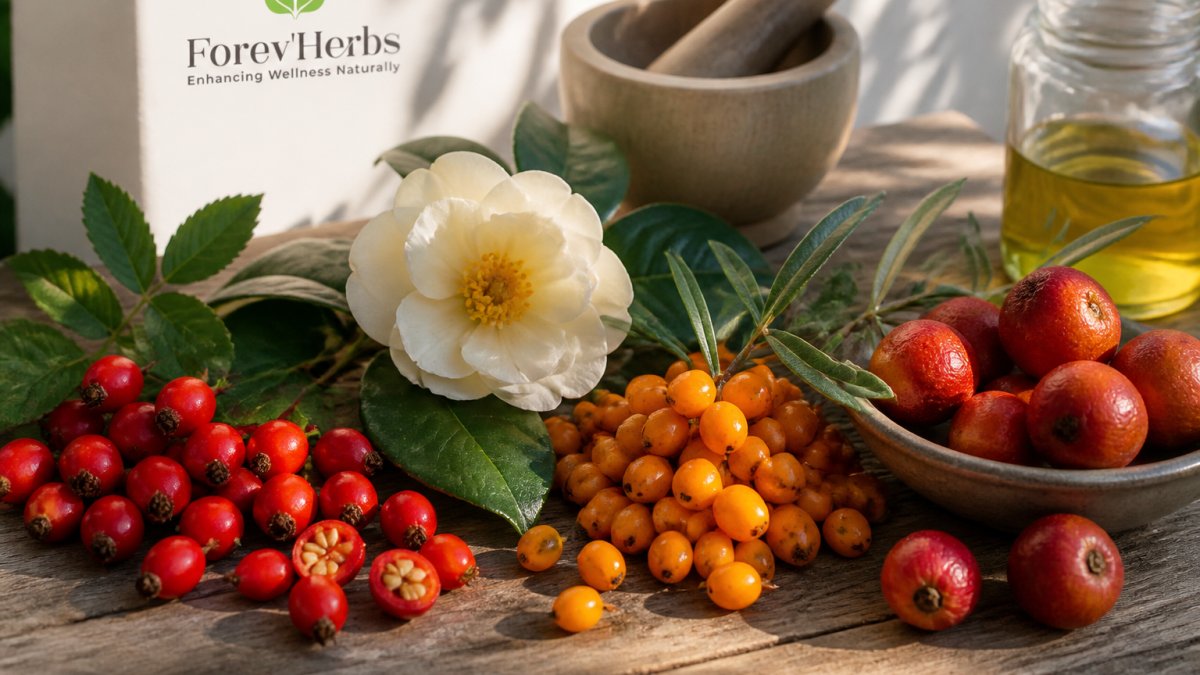
Rosehip Seed Oil for Tone and Texture
Rosehip seed oil is rich in vitamins A and C, making it one of the most effective botanicals for uneven tone, texture irregularities, and the appearance of scars.
It works best for hyperpigmentation, dull complexion, or textural unevenness, and is gentle enough for sensitive skin when introduced gradually.
Use rosehip in your evening routine since vitamin A increases sun sensitivity, applying a few drops to clean, damp skin before your moisturizer.
Camellia Oil for Antioxidant Defense
Camellia oil has been used in Japanese and Chinese skincare for centuries because it delivers exceptional antioxidant protection while deeply nourishing the barrier.
It's ideal for mature or environmentally stressed skin and absorbs without a greasy residue, so it suits combination skin too.
Apply camellia oil as the final step in your routine to seal in hydration and provide overnight antioxidant support.
Bakuchiol as a Gentle Retinol Alternative
Bakuchiol is a plant-derived compound that activates retinoid pathways without the irritation, photosensitivity, or barrier disruption of prescription retinoids.
For people who cannot tolerate retinoids due to sensitive skin, rosacea, or barrier dysfunction, bakuchiol offers measurable anti-aging benefits and can be used morning and night without photosensitivity concerns.
Forev'Herbs includes bakuchiol in our Anti-Aging Facial Serum and Anti-Aging Facial Cream specifically because it delivers visible results on fine lines and texture without the side effects many people experience with stronger actives.

Sea Buckthorn and Buriti for Regeneration
Sea buckthorn and buriti are the most nutrient-dense botanical oils available, delivering carotenoids, vitamins, and essential fatty acids that support comprehensive regeneration. Sea buckthorn excels at barrier repair and inflammation management, while buriti supports elasticity and protects against environmental damage.
They suit compromised barriers, active inflammation, or mature skin. They're heavier than camellia or rosehip, so use them in evening routines or mixed with lighter oils for daytime.
| Botanical Extract | Best For | Primary Benefit | Application |
|---|---|---|---|
| Rosehip Seed Oil | Uneven tone, texture, scars | Brightening and renewal | Evening routine, 2-3 drops |
| Camellia Oil | Mature skin, antioxidant defense | Protection and nourishment | Final step, sealing layer |
| Bakuchiol | Anti-aging without irritation | Collagen support, gentle renewal | Morning or night |
| Sea Buckthorn | Barrier repair, inflammation | Regeneration and soothing | Evening, mixed with lighter oil |
| Buriti Oil | Elasticity, environmental protection | Carotenoid defense | Evening or mixed application |
How to Use Botanical Extracts in Skincare Routines
Botanical extracts are potent, so introducing them correctly prevents sensitivity and maximizes benefit. Layering order, introduction pace, and timing all affect whether your skin thrives or reacts.
Anti-Aging (Skin Tightening) Facial Serum →
Layering Extracts Without Causing Sensitivity
The fundamental rule: apply products from thinnest to thickest. Serums and lightweight oils go on damp skin first, followed by heavier oils and creams, so each product penetrates properly.
A practical routine looks like this:
- Cleanse and pat skin damp (not dripping)
- Apply any water-based serums or toners
- Apply botanical oil extracts (rosehip, camellia, bakuchiol serums)
- Apply heavier creams or occlusive oils
- Seal with SPF in the morning
The key is restraint. More product doesn't accelerate results, it increases the risk of sensitivity or barrier overload. Two to three drops of concentrated extract is typically enough for the entire face.
Patch Testing and Introduction Strategies
Even natural extracts can trigger reactions in sensitive skin. Patch testing identifies problematic ingredients before they affect your entire face.
Apply a pea-sized amount behind your ear or on your inner arm for 24-48 hours.
When introducing a new botanical extract, use it every other day for the first week, then daily if tolerated.
Timing and Application for Maximum Benefit
Botanical extracts work best applied consistently and at the right time. Most suit both morning and night, though some have specific timing advantages.
Rosehip and other vitamin A-containing extracts are best in the evening since they increase sun sensitivity.
Apply botanical extracts to damp skin for better absorption.
Botanical Skincare Ingredients for Sensitive Skin
Sensitive skin requires careful ingredient selection because many actives trigger irritation. Botanical extracts offer relief because they support barrier function while delivering benefits, a combination most synthetic actives cannot achieve.
Which Extracts Calm Rather Than Irritate
Not all botanicals are equally gentle. For sensitive skin, prioritize extracts with proven anti-inflammatory and barrier-supportive properties.
Sea buckthorn is exceptional for sensitive skin because it calms inflammation and rebuilds barrier function through its essential fatty acids. Camellia oil is gentle and nourishing without irritation risk.
Avoid introducing multiple new extracts simultaneously, even gentle ones.
Reading Labels to Avoid Problematic Additives
"Natural" and "botanical" on a label don't guarantee a product suits sensitive skin. Many botanical products contain added fragrances, essential oils, or preservatives that trigger reactions in reactive skin.
Read the full ingredient list, not just the marketing claims. Look for:
- Fragrance or "parfum" (often irritating even in small amounts)
- Essential oils listed early in the ingredient list (high concentration)
- Alcohol denat (can dry and irritate sensitive skin)
- Synthetic preservatives in high concentrations
The safest approach: choose products with minimal ingredients.
Forev'Herbs formulations prioritize simplicity for this reason. Our Sensitive & Dry Skin Body Oil contains only essential botanical oils and natural preservation, no fragrance, no fillers, no unnecessary additives that could trigger reactions in already-reactive skin.
What Sets Quality Botanical Extracts Apart
Not all botanical extracts are created equal. Extract quality, sourcing transparency, and standardization determine whether you're getting a potent active ingredient or an expensive placebo.
Extraction Methods and Active Compound Variability
The extraction method directly affects which active compounds end up in your product and at what concentration.
Two rosehip oils from different brands can have dramatically different potencies.
Quality brands disclose their extraction method and, ideally, provide third-party testing showing active compound concentration, so you can tell whether the price reflects genuine potency or just marketing.
Sourcing Transparency and Sustainability
Where botanical ingredients come from affects both quality and environmental impact.
Transparency about sourcing, knowing the region, growing conditions, and harvest timing, indicates a brand's commitment to quality.
At Forev'Herbs, sourcing transparency is part of our Silver Certified Natural Business status.
When evaluating botanical skincare brands, ask about sourcing.
Botanical extracts for skin health represent a meaningful shift toward ingredient transparency and efficacy.
The challenge most people face isn't understanding why botanical extracts work; it's finding brands that prioritize genuine quality over marketing claims. Forev'Herbs was built on this principle: sourcing the highest-quality botanical ingredients, maintaining extraction standards that preserve active compounds, and offering transparent, tested formulations like our Anti-Aging Facial Serum and Anti-Aging Facial Cream that deliver real results.

Frequently Asked Questions
What is meant by botanical extracts?
Botanical extracts are concentrated forms of active compounds derived from plant parts like leaves, flowers, roots, seeds, and bark. They're created through extraction methods that isolate beneficial phytochemicals, polyphenols, and flavonoids. These concentrated formulations deliver more potent skin benefits than whole plant material, making them ideal for skincare products where efficacy and stability matter.
How can botanical extracts support skin health?
Botanical extracts work through multiple pathways: antioxidants neutralize free radicals and oxidative stress from environmental aggressors; anti-inflammatory compounds soothe irritation and calm sensitive skin; hydrating plant oils strengthen the skin barrier; and active ingredients like bakuchiol support collagen production to reduce fine lines. The combination addresses aging, sensitivity, tone, and overall skin resilience naturally.
Are botanical extracts safe for sensitive skin?
Many botanical extracts are safe for sensitive skin, but not all. Calming extracts like chamomile, oat, and sea buckthorn are gentler choices, while concentrated or fragrant extracts may trigger irritation. Always patch test new products on a small area first, introduce one new botanical at a time, and choose formulations free of synthetic fragrances and petroleum-derived fillers. If you have severe eczema or dermatitis, consult a dermatologist before switching products.
Can botanical extracts be used with other skincare ingredients?
Yes, botanical extracts generally layer well with other ingredients, but timing and formulation matter. Oil-based extracts work best on damp skin to lock in hydration; water-based extracts pair well with serums and creams. Avoid combining multiple actives (like retinol and vitamin C) on the same day unless formulated together. Start with one botanical product, then gradually add others as your skin adapts, watching for signs of sensitivity or incompatibility.