
Herbal Wellness Kits for Gifts: 7 Effective Picks

Table of Contents
- What Makes Herbal Wellness Kits for Gifts Actually Effective
- 1. Immune Support Syrups: The Core of an Herbal Wellness Gift Set
- 2. Herbal Tea Gift Basket: Loose-Leaf Blends for Daily Rituals
- 3. Organic Skincare Gift Set: Spa Products for Relaxation and Stress Relief
- 4. DIY Herbal Wellness Gift Set: Build One in Six Steps
- 5. Safety, Contraindications, and Medication Interactions to Check First
- 6. Budget Tiers and Value: What You Actually Get in Each Kit
- 7. Storage, Shelf Life, and Gift Presentation Tips
- Frequently Asked Questions
Last Updated: October 5, 2026
What Makes Herbal Wellness Kits for Gifts Actually Effective
Effective herbal wellness kits for gifting pair a clear purpose with clean ingredients, a usable format, and a shelf life that outlasts the wrapping paper. The best ones feel personal, not generic.
The problem is that "wellness" has become a marketing word. A box with a candle and a sachet of lavender is not a wellness kit. A kit works when it targets one real need, whether that's immune support through cold season, relaxation after work, or gentler skin care for someone with sensitive skin.
Below, we break down what separates a thoughtful herbal wellness gift set from a forgettable one, then walk through seven options you can buy or build. We also cover the safety checks most gift guides skip entirely.
Five Selection Criteria: Sourcing, Ingredients, Format, Shelf Life, and Fit
Sourcing means you can trace where the botanicals come from and how they were grown. Look for organic certification and transparent supply chains rather than vague "natural" claims.
Ingredients should be recognizable plants, not a list of synthetic fillers hiding behind botanical-sounding names. Fewer, higher-quality ingredients usually beat a long list of cheap ones.
Format decides whether the gift actually gets used. Loose-leaf tea suits a ritual drinker; a syrup suits a parent managing cold season; a scrub suits someone who already enjoys bath and body care.
Shelf life matters more than most shoppers think. Syrups with raw honey and no artificial preservatives typically need refrigeration, while dry teas keep far longer in a sealed tin.
Fit is the final filter: match the kit to the recipient's health needs, sensitivities, and daily habits, not to what looks prettiest on a shelf.
1. Immune Support Syrups: The Core of an Herbal Wellness Gift Set
A syrup anchors a wellness gift set because it's the item people reach for when they actually feel run down. Our Organic Elderberry Syrup ($21.99) blends organic elderberry with echinacea, raw honey, orange peel, Ceylon cinnamon, cloves, and ginger.

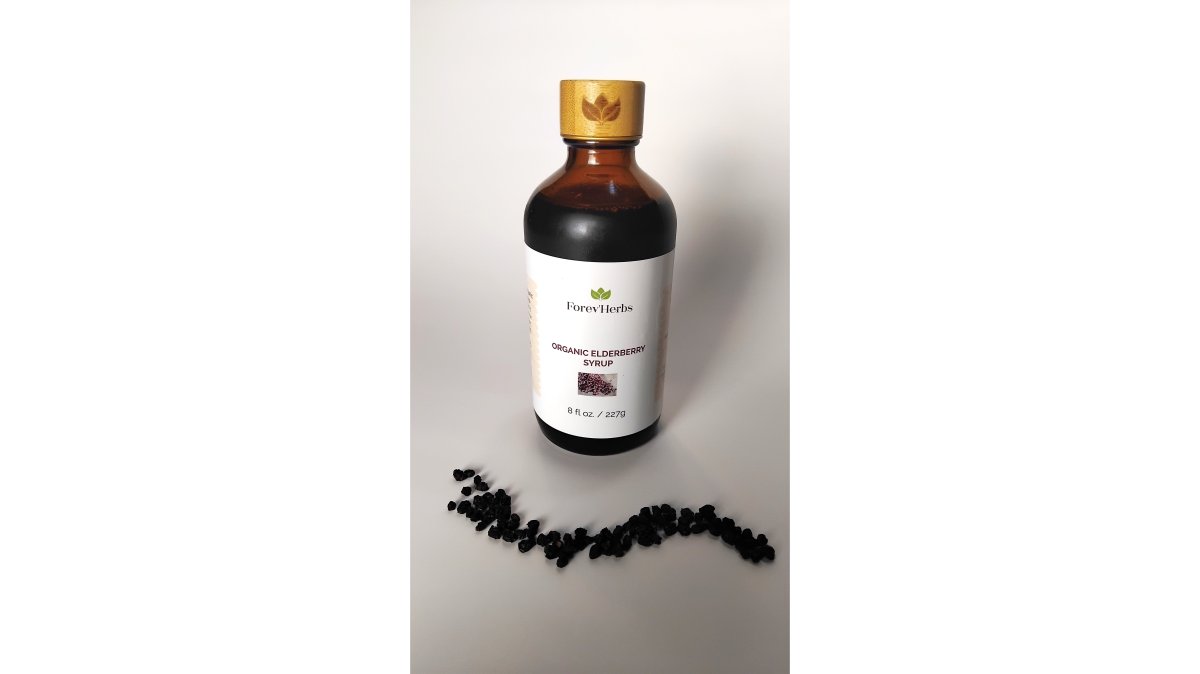
Dosing is straightforward: children 1-12 take 1 teaspoon daily for prevention, and adults take 1 tablespoon. During active illness, both groups dose every two hours.
For a second option, our Organic Chokeberry Syrup ($21.99) uses aronia berries, also rich in antioxidants, with the same echinacea and citrus backbone. Either bottle pairs well with a tea in the same box.
2. Herbal Tea Gift Basket: Loose-Leaf Blends for Daily Rituals
A herbal tea gift basket works when the blends match a moment in the recipient's day. Our Cold and Flu Herbal Tea ($11.99) is built for the first sign of a sniffle, with elder flower, rosehips, ginger, echinacea, peppermint, yarrow, thyme, anise seed, and calendula.

Our Relaxing Digestion Herbal Tea ($11.99) covers the other end of the day. Peppermint and ginger root address bloating, while chamomile and lemon balm calm the nervous system. Fennel seed and papaya leaf support digestion, with rose petals and orange peel softening the finish. Both are caffeine-free.
Brewing is the same for each: heat water to 208°F, pour up to 8 fl. oz, steep 1-2 teaspoons of loose-leaf tea for 5-10 minutes, then remove the infuser. A gift basket should include a simple infuser or strainer, because loose-leaf tea without one becomes a chore.
3. Organic Skincare Gift Set: Spa Products for Relaxation and Stress Relief
An organic skincare gift set delivers relaxation and stress relief through scent and texture, not just ingredients. Our Lavender Organic Whipped Sugar Scrub ($15.99) combines organic sugar for gentle exfoliation with organic shea butter, jojoba oil, and lavender essential oil. The shea butter in our supply chain is Fair Trade and sustainably sourced, which matters if the recipient cares about ethical production.

Pair it with the Lavender Organic Whipped Body Butter ($21.99), a whipped blend of cocoa, shea, and mango butters with coconut, avocado, and olive oils. It absorbs without a greasy residue, which is the complaint that kills most body butters.
For someone managing sensitive or dry skin, the Sensitive & Dry Skin Body Oil ($19.99) is the gentler pick. Kukui, sweet almond, sunflower, hazelnut, and castor oils restore the skin barrier, with a light lime scent instead of heavy fragrance.
4. DIY Herbal Wellness Gift Set: Build One in Six Steps
A DIY herbal wellness gift set lets you control the budget, the theme, and the presentation. The trick is to build around a specific recipient rather than a generic "wellness" theme, because a kit that tries to cover everything usually gets used for nothing. Here's how we'd build one, with recipient-specific variations.
- Pick a single purpose tied to a person. Choose immune support, relaxation, or skin care, then name the recipient in your head. "Relaxation kit for my sister who works night shifts" produces a better box than "wellness kit."
- Choose one anchor product. A syrup, a tea, or a scrub. This sets the theme and the price ceiling.
- Add one supporting item. A second tea, a body oil, or a small balm that reinforces the theme without duplicating it.
- Include a usable tool. A tea infuser, a small wooden spoon, or a reusable jar. Tools turn a collection of products into a routine.
- Add a handwritten card. Note the dosing, brewing, or application instructions so nothing gets misused. This is also where you flag allergies or medications.
- Package it properly. A kraft box with tissue paper and twine reads as intentional without costing much.
What you'll need: a box or basket, tissue paper, twine or ribbon, a card, and your chosen products. Time: about 20 minutes once the products arrive.
Recipient-Specific Builds
For the tea drinker. Anchor with a loose-leaf blend, add a second blend for a different time of day, and include a stainless infuser and a small tin for storage.
For the beginner. One product, one tool, one card.
For the gardener. Pair a tea with a packet of culinary herb seeds and a small pot. The kit becomes a project, and the tea gets drunk while the seeds grow.
For the stressed professional. Anchor with a relaxation tea, add a lavender body product, and include a small timer or a card with a two-minute breathing prompt.
For the person with sensitivities. Choose unscented or single-ingredient products, and write the ingredient list on the card so they can check it before use.
5. Safety, Contraindications, and Medication Interactions to Check First
Safety is the section most gift guides skip, and it's the one that matters most. Herbal products are not automatically safe just because they're plant-based. Before gifting, check four things.
Medication interactions. Several herbs in common wellness kits can interact with prescription drugs. Echinacea may interact with immunosuppressants and some medications processed by the liver (Echinacea: Usefulness and Safety).
Allergies. Chamomile, echinacea, and yarrow are in the ragweed family, so people with ragweed allergies may react. Anise seed and fennel are related to celery and carrot.
Pregnancy and nursing. Many herbs used for immune support and relaxation are not recommended during pregnancy or nursing, including elderberry in concentrated syrup form, echinacea, and some essential oils.
Age restrictions. Our syrups contain raw honey and are not for children under 1 year.
6. Budget Tiers and Value: What You Actually Get in Each Kit
Value in a wellness kit comes down to cost per use, not sticker price. A $21.99 syrup that lasts a month of daily dosing costs less per day than a $10 novelty item that gets used twice.
| Tier | Example Build | Total | Best For |
|---|---|---|---|
| Starter | One tea ($11.99) + card | $11.99 | Coworkers, teachers, host gifts |
| Mid-range | Syrup ($21.99) + tea ($11.99) | $33.98 | Close friends, family, neighbors |
| Spa-focused | Scrub ($15.99) + body butter ($21.99) | $37.98 | Anyone who enjoys bath and body care |
| Premium | Syrup + tea + scrub + body oil | $69.96 | A partner, parent, or milestone gift |
Higher tiers aren't automatically better. A premium box given to an acquaintance can feel like too much, while a single well-chosen tea given to a close friend can feel exactly right.
If you're unsure about the recipient's preferences, our Summer e-gift Card ($10.00) lets them choose their own products, which removes the guesswork entirely.
7. Storage, Shelf Life, and Gift Presentation Tips
Storage determines whether your gift is still good when it's opened. Syrups need refrigeration after opening and should be used within their labeled window.
For presentation, keep it simple. Brown kraft boxes with tissue paper, a sprig of dried lavender, and a handwritten tag look more considered than a plastic-wrapped basket. Include the brewing or dosing instructions on the card, because a beautiful kit that gets used wrong helps no one.
A practical detail most people miss: package liquids upright and cushion them. A leaked syrup ruins the entire gift before it's opened.
Choosing the right herbal wellness kit for gifts comes down to matching one real need with clean ingredients and honest instructions. That's the standard we hold ourselves to at Forev'Herbs, where every product is made with thoughtfully sourced botanicals and transparent labeling.
Frequently Asked Questions
What should you look for in an herbal wellness gift set?
Check five things: ingredient sourcing (organic herbs and certified organic labels), format (syrups, loose-leaf teas, or skincare), shelf life, safety notes for the recipient, and whether the packaging is gift-ready. A strong set names its botanicals clearly, states net weight, and includes directions. For example, a syrup listing organic elderberry, echinacea, and raw honey tells you far more than a vague 'proprietary blend' claim.
Are herbal tea kits good gifts for wellness enthusiasts?
Yes, especially when the blends match a real need. A cold and flu herbal tea with peppermint, ginger, elder flower, and rosehips suits someone who wants immune support during colder months, while a relaxing digestion blend with chamomile and lemon balm fits an evening wind-down routine. Caffeine-free loose-leaf teas with clear steeping directions (208°F for 5-10 minutes) make an easy, low-effort gift that gets used daily.
What can you include in a DIY herbal wellness gift basket?
Start with one anchor item like an organic elderberry syrup, then add a loose-leaf tea, a lavender sugar scrub, and a small body oil for a spa element. Round it out with a tea infuser, a handwritten card listing each item's directions, and recycled tissue paper. Keep total contents to four or five items so the basket stays curated rather than cluttered, and note any allergens like honey on the card.
How do you choose an herbal gift for someone new to herbal remedies?
Pick gentle, familiar botanicals and single-purpose products. Chamomile, peppermint, and lavender are easy starting points with well-known uses. Avoid strong blends or anything with camphor and menthol for children under 13, and skip syrups containing raw honey for anyone under 1 year old. Pair the gift with simple directions so the recipient knows exactly how much to take and when.
Do herbal wellness kits have safety concerns or medication interactions?
Some do. Herbs like echinacea and elderberry can interact with immunosuppressants or certain medications, and essential oils such as camphor and eucalyptus should not be used on young children. Anyone pregnant, nursing, or taking prescription medication should check with a healthcare provider before using herbal products. Look for kits that print ingredient lists and age guidance directly on the label, and treat these products as wellness support, not medical treatment.