
Farmhouse Fresh Alternative: Natural Remedies Compared

Table of Contents
- What Makes a Strong Farmhouse Fresh Alternative
- Natural Skincare Brands Worth Considering
- Herbal Remedies for Skin: Beyond Basic Moisturizers
- Natural Skincare for Sensitive Skin: What Actually Works
- How to Compare Skincare Ingredients Like a Pro
- Botanical Ingredients That Deliver Real Results
- Why Forev'Herbs Stands Out as Your Next Choice
- Frequently Asked Questions
Last Updated: October 17, 2026
What Makes a Strong Farmhouse Fresh Alternative
A farmhouse fresh alternative for natural remedies needs more than a pretty label and botanical-sounding ingredients. The real differentiators are verifiable sourcing, formulations that address your skin concern, and sustainability rather than greenwashing.
Most brands claim to be "natural," but the word means little without certification. Look for third-party validation, small-batch production, and honest communication about what products can and cannot do.
At Forev'Herbs, we've spent years analyzing what separates genuine natural skincare from marketing theater. Below, we'll show you how to spot the real deal.
Natural Skincare Brands Worth Considering
The natural skincare market has exploded, but not all alternatives are equal. Most roundups stop at describing a brand's vibe instead of telling you whether it will work for your skin.
When comparing natural skincare brands, start with three things: ingredient integrity (botanicals sourced responsibly and processed to preserve their properties), product consistency (formulations that work for the concerns they claim to address), and brand transparency (you can trace where ingredients come from and why each one matters).
The brands that stand out use organic or sustainably harvested botanicals, avoid synthetic preservatives and petroleum-derived ingredients, and hold certifications like Natural Business certification or Green Business recognition.
A practical selection framework
Instead of shopping by brand name, shop by these five filters. They work for any natural line you are considering as a substitute.
- Ingredient list length and order. Fewer than 15 ingredients is a reasonable target for sensitive skin. The first five ingredients should be the ones doing the work, not water and fragrance.
- Extraction method disclosed. Look for language like "infused in olive oil," "CO2 extract," or "water-based infusion." A brand that explains the form of its botanicals understands formulation.
- Certification you can verify. Third-party seals such as Natural Business certification or Green Business recognition are checkable. "Botanical-inspired" is not.
- Batch size and packaging. Small-batch production and light-protective packaging (amber glass, airless pumps, opaque tubes) preserve potency. Clear glass on a shelf for months is a warning sign.
- Return policy and patch-test guidance. A brand confident in its formulations will tell you how to patch test and will stand behind the product if your skin reacts.
How the common brand approaches compare
| Brand Approach | Best For | Key Differentiator | Watch-Out |
|---|---|---|---|
| Heritage-focused | Those seeking traditional remedies | Generations of botanical knowledge | Recipes may include essential oils that irritate sensitive skin |
| Sustainability-first | Eco-conscious consumers | Environmental certifications and practices | Sustainability claims do not guarantee formulation quality |
| Ingredient-transparency | People with sensitive skin | Detailed sourcing and testing info | Transparency without patch-test guidance is incomplete |
| Small-batch artisanal | Gift shoppers and collectors | Handmade quality and uniqueness | Batch-to-batch variation and shorter shelf life |
What to ask before you switch
Switching brands is where most people get burned. Introduce one new product at a time, patch test on the inner forearm for 24 to 48 hours, and keep the rest of your routine stable for two weeks so you can tell what is actually working.
Also distinguish a natural product from one simply free of a few ingredients. "Free of" claims are useful but narrow; a genuinely strong alternative tells you what is in the formula and why, not just what was left out.
Herbal Remedies for Skin: Beyond Basic Moisturizers
Herbal remedies for skin go deeper than standard moisturizers. Traditional herbalism has developed specific plant combinations for inflammation, irritation, congestion, and barrier repair. But the keyword is skin: a cold remedy is a wellness product, not a skin remedy, and the two should not be blurred.
The most effective herbal remedies combine botanicals for synergy. Calendula soothes irritation, but calendula infused in olive oil penetrates differently than calendula in a salve. Formulation matters as much as ingredient selection.
What the evidence actually supports
Most botanical skin ingredients have traditional use and some laboratory or small clinical support, but few have large randomized trials. That means you should match the strength of the claim to the strength of the evidence.
- Colloidal oatmeal. One of the better-supported botanicals for itch and irritation. The FDA recognizes colloidal oatmeal as a skin protectant, which is why it appears in eczema creams and bath products.
- Calendula. Traditional use for minor irritation and redness; laboratory studies show anti-inflammatory activity. Best treated as a soothing ingredient, not a treatment for a diagnosed condition.
- Aloe. Well established for cooling and hydration; the key variable is processing, since poorly processed aloe loses its beneficial compounds.
- Tamanu oil. Traditional use for skin repair and scarring; rich in fatty acids. Evidence is largely traditional and laboratory-based.
- Shea and mango butter. Reliable emollients that restore moisture without clogging pores for most people.
Match the remedy to the concern
| Skin Concern | Botanicals to Look For | Form That Works Best |
|---|---|---|
| Dryness and barrier repair | Shea butter, mango butter, tamanu oil, colloidal oatmeal | Cream or salve with occlusive emollients |
| Redness and irritation | Calendula, colloidal oatmeal, aloe | Fragrance-free cream or infused oil |
| Itch (eczema-prone) | Colloidal oatmeal, calendula | Cream with a skin-protectant base |
| Congestion and oily skin | Gentle clay masks, aloe | Wash-off mask, not a leave-on oil |
| Daily cleansing | Castile-style soap, aloe | Mild bar or liquid cleanser |
The distinction that matters
A basic moisturizer hydrates. A herbal remedy targets a specific concern with botanicals chosen for that purpose. When evaluating an alternative, ask which concern the formula was built for and whether the ingredient list reflects that focus.
Natural Skincare for Sensitive Skin: What Actually Works
Natural skincare for sensitive skin requires a different approach. Sensitive skin often means a compromised barrier, reactions to common ingredients, or a condition like eczema or rosacea.
The first rule: fewer ingredients are better. Sensitive skin doesn't need a 12-step routine, just a curated foundation that won't trigger inflammation. Avoid common irritants like fragrance, high-concentration essential oils, and synthetic preservatives.
The second rule: look for soothing, barrier-repair botanicals. Calendula reduces redness, oatmeal calms irritation, tamanu oil supports repair, and shea and mango butter restore moisture without clogging pores.
Many people with sensitive skin fear another reaction when switching. Patch-test any new product on a small area first, introduce it gradually, and choose brands with clear return policies and honest communication.
Forev'Herbs' Eczema Cream specifically addresses sensitive skin concerns with ingredients like colloidal oatmeal, calendula, and tamanu oil.
How to Compare Skincare Ingredients Like a Pro
Comparing skincare ingredients means understanding what each one does and whether it suits your skin type and concerns.
For natural skincare, pay special attention to extraction methods. An ingredient extracted with alcohol behaves differently than the same ingredient infused in oil or water, and a CO2 extract is more concentrated than the fresh herb. These distinctions affect how the ingredient performs.
Ask yourself these questions about each ingredient:
- Is it there to address my specific concern?
- Is it in a form that actually penetrates skin?
- Could it cause irritation for my skin type?
- Does the brand explain why this ingredient matters?
Brands that take ingredient selection seriously explain why they chose calendula-infused olive oil over calendula extract, or castor wax over petroleum jelly. That transparency signals a brand that understands formulation, not just marketing.

Botanical Ingredients That Deliver Real Results
The most effective natural remedies rely on botanicals with proven track records, consistent use for specific purposes across cultures and time periods.
Elderberry stands out for immune support. Rich in antioxidants and vitamin C, it has been used for generations against colds and flu.

Calendula works on irritated or inflamed skin.
Aloe provides deep hydration and cooling relief, penetrating quickly without a greasy residue. The key is using aloe that's been properly processed to maintain its beneficial compounds.
Echinacea supports the body's natural defenses.
Tamanu oil has been used in traditional medicine for skin repair. It's rich in fatty acids and has antimicrobial properties, making it valuable for eczema-prone or compromised skin (pubmed.ncbi.nlm.nih.gov).
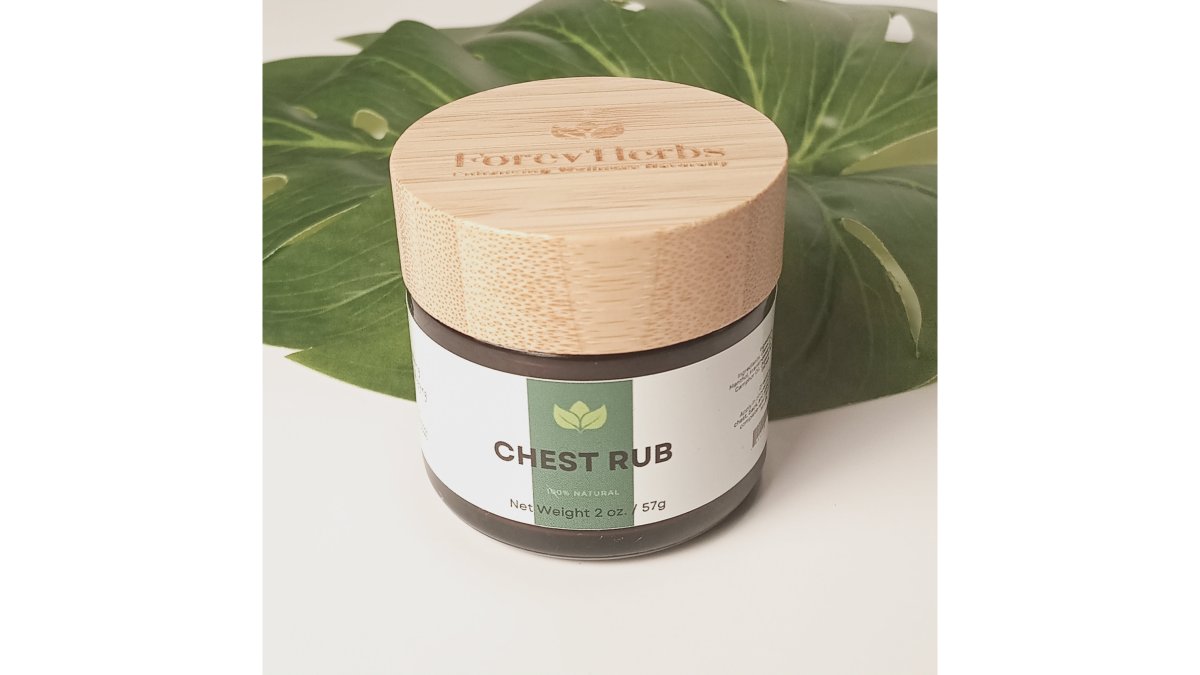
Peppermint and eucalyptus provide respiratory support and cooling sensation. When infused into soaps or chest rubs with menthol and other essential oils, they create a multi-sensory experience that actually helps ease congestion and support breathing.
Why Forev'Herbs Stands Out as Your Next Choice
When you're looking for a genuine farmhouse fresh alternative for natural remedies, Forev'Herbs delivers what most competitors only promise.
Our approach centers on transparency and ingredient integrity.
Our product range addresses real skin concerns with thoughtful formulations. The Eczema Cream uses shea butter, mango butter, and tamanu oil. The Cold and Flu Herbal Tea combines elder flower, echinacea, ginger, and rosehips.

We also recognize that one solution doesn't fit everyone. Our line includes herbal syrups, teas, creams, soaps, and body oils, so you can build a routine that addresses your family's specific needs.
The real difference shows up in the details: fair-trade sourcing, a focus on community wellness rather than just making a sale, and the perspectives a woman and minority-owned business brings that larger corporations often overlook.
Finding the right farmhouse fresh alternative for natural remedies comes down to matching your specific needs with a brand that delivers on its promises. Forev'Herbs combines all three: proven botanical formulations, complete ingredient transparency, and genuine commitment to environmental care. Search our products to find the right remedy for your family's wellness journey.
Frequently Asked Questions
What should I look for when comparing natural skincare brands?
Start by checking the ingredient list for recognizable botanical names rather than chemical codes. Look for brands with third-party certifications like Natural Business certification. Compare how each brand sources ingredients, farm-grown botanicals and organic extracts indicate higher standards. Check whether the brand is transparent about their sourcing and manufacturing process. Finally, match the product formulation to your specific skin concern, whether that's sensitivity, dryness, or irritation relief.
Are natural skincare products suitable for sensitive skin?
Natural products can be excellent for sensitive skin when properly formulated, but 'natural' doesn't automatically mean gentle. Look for products free from synthetic fragrances and harsh preservatives. Ingredients like calendula, oatmeal, and tamanu oil are traditionally used to soothe irritation. Test any new product on a small area first, even if it's all-natural. Forev'Herbs Eczema Cream, for example, combines shea butter, mango butter, and colloidal oatmeal.
What makes herbal remedies for skin different from conventional skincare?
Herbal remedies rely on plant-based compounds like antioxidants, flavonoids, and essential oils rather than synthetic actives. These work more gently and often address skin concerns holistically. For instance, elderberry syrup contains vitamin C and anthocyanins, while topical remedies like herbal teas and creams deliver benefits directly.
How can I verify that a natural skincare brand isn't greenwashing?
Check for specific certifications like Silver Certified Natural Business status or Montgomery County Green Business certification, these require third-party verification. Look at the full ingredient list; greenwashing brands often hide synthetic ingredients deep in the list. Verify that the company is transparent about sourcing: do they name where botanicals come from? Read customer reviews specifically mentioning results on sensitive skin or eczema. Brands that make modest claims and acknowledge limitations are more credible than those promising miracle cures. Forev'Herbs publishes its ingredient sources and holds certifications you can independently verify.
What's the difference between organic and natural skincare ingredients?
Natural ingredients come from plants, minerals, or animals but may be conventionally grown with pesticides. Organic ingredients are grown without synthetic pesticides, fertilizers, or GMOs and are certified by regulatory bodies. Both can be effective, but organic typically offers higher purity standards. When comparing products, check labels for 'certified organic' rather than just 'natural.' Many Forev'Herbs products use organic extracts like organic elderberry, organic echinacea, and organic calendula-infused oils to ensure you're getting ingredients without synthetic residues.