
Buy Organic Botanical Herbal Remedies: 2026 Review

Table of Contents
- Why Organic Botanical Herbal Remedies Are Worth the Price
- How We Evaluated These Organic Botanical Herbal Remedies
- Organic Elderberry Syrup: Best for Immune Support During Cold Season
- Organic Chokeberry Syrup: Best for Daily Antioxidant Protection
- Herbal Teas and Infusions: Best for Sleep, Digestion, and Cold Relief
- Infused Honeys: Best for Soothing Throats and Everyday Wellness
- How to Use Manuka Honey on Eczema and Other Skin Remedies
- FDA Regulations for Herbal Supplements: What the Label Doesn't Tell You
- Frequently Asked Questions
Last Updated: September 14, 2026
Why Organic Botanical Herbal Remedies Are Worth the Price
When you buy organic botanical herbal remedies, you're paying for testing, traceability, and ingredient integrity that conventional products often skip. The price gap reflects real costs: certified organic sourcing, third-party purity checks, and small-batch production that preserves potency. For families managing sensitive skin or seasonal illness, that difference matters.
At Forev'Herbs, we built our catalog around exactly that standard. Every syrup, tea, and infused honey starts with thoughtfully sourced botanicals. The USDA National Organic Program sets the baseline for what "organic" legally means on a label, and it's stricter than most shoppers assume.
Here's the part most guides get wrong: "natural" on a jar means almost nothing. "Certified organic" means something specific, and it's worth understanding before you spend.
How We Evaluated These Organic Botanical Herbal Remedies
| Criteria | What We Checked | Why It Matters |
|---|---|---|
| Certification | USDA Organic seal, certifier name on the label, natural business credentials | A seal is only as strong as the certifier behind it |
| Sourcing | Named botanicals, country or region of origin, wildcrafted vs. farmed | Traceability and purity start at the field |
| Testing | Identity testing, microbial screening, heavy-metal panels, pesticide residue | Catches substitution and contamination before it reaches you |
| Usability | Dosage clarity, storage guidance, serving size per bottle | Whether you'll actually stick with it daily |
Certifications That Actually Mean Something
A credible organic claim traces back to a certifying body, not a marketing team. The USDA Organic seal is the baseline: it requires an organic system plan, annual on-site inspections, and a certifier accredited under the National Organic Program. Look for the certifier's name printed near the seal, it tells you who is actually doing the review. Third-party natural business certifications and green business credentials at the state or county level add a second layer, but they are not substitutes for the USDA seal.
Ingredient Sourcing and Testing Standards
Sourcing transparency means the label names the plant, not just "herbal blend." A jar that says "elderberry" without naming the species (Sambucus nigra) or the origin is a jar you can't verify. Identity testing confirms the plant in the bottle matches the plant on the label. Microbial testing screens for mold, yeast, and bacteria; heavy-metal panels catch lead, arsenic, and cadmium that plants can pull from soil. When a brand won't name its suppliers or testing methods, that silence is the answer.
Organic Elderberry Syrup: Best for Immune Support During Cold Season
Elderberry is a popular choice for cold-season wellness, and Forev'Herbs' Organic Elderberry Syrup ($21.99) pairs organic elderberry with echinacea, raw honey, orange peel, Ceylon cinnamon, cloves, and ginger.

Dosage is straightforward: children 1-12 take 1 teaspoon daily for prevention, adults take 1 tablespoon. During active illness, both groups dose every two hours. It contains raw honey, so it isn't suitable for children under one year.
The one drawback: it needs refrigeration, so it isn't a toss-in-your-bag product.
Organic Chokeberry Syrup: Best for Daily Antioxidant Protection
Chokeberries, also called aronia berries, carry high levels of anthocyanins and polyphenols, which is why they've been used traditionally for circulation and inflammation support. Forev'Herbs' Organic Chokeberry Syrup ($21.99) builds on that base with echinacea, Ceylon cinnamon, and orange zest.

Same dosing as the elderberry syrup, same raw honey caveat, same refrigeration requirement. The flavor is bolder and more tannic than elderberry, which some people love and others don't.
Herbal Teas and Infusions: Best for Sleep, Digestion, and Cold Relief
Loose-leaf herbal infusions offer a rich aroma and noticeable effect. Forev'Herbs offers four distinct blends, each targeting a different need, all steeped the same way: water at 208°F, 1-2 teaspoons per cup, 5-10 minutes.
| Product | Price | Primary Use | Key Botanicals |
|---|---|---|---|
| Organic Lavender Herbal Tea | $9.99 | Calm and rest | Lavender flower buds |
| Relaxing Digestion Herbal Tea | $11.99 | Bloating, after meals | Peppermint, ginger, fennel, papaya leaf |
| Cold and Flu Herbal Tea | $11.99 | Congestion, sore throat | Elder flower, rosehip, echinacea, thyme |
| Organic Bulukutu Herbal Tea | $10.99 | Digestion, energy | Lippia multiflora |
Lavender Tea for Calm and Rest
Lavender has been a trusted botanical remedy for tension and sleep for centuries, and this loose-leaf blend delivers it without fillers. Steeping it in warm milk instead of water makes a creamy nightcap that kids tend to accept easily.

Digestion, Cold and Flu, and Bulukutu Blends
The Relaxing Digestion blend leans on peppermint, ginger, chamomile, and lemon balm to support digestion after meals. The Cold and Flu blend stacks elder flower, rosehips, ginger, and echinacea for immune support. Bulukutu, a Central African botanical used for generations, rounds out the lineup with digestive and energy support. If you go through it quickly, the bulk whole-leaf version ($16.99) steeps for 15 minutes and works out cheaper per cup.
Infused Honeys: Best for Soothing Throats and Everyday Wellness
Raw clover honey infused with botanicals offers a delightful way to enjoy calming or warming plants. Forev'Herbs' three infused honeys all run $15.99 and are handcrafted in small batches: Lavender Honey for a sense of calm, Ginger Honey for digestive support and cold-season warmth, and Cinnamon Vanilla Honey for everyday comfort.
Stir any of them into tea, warm lemon water, or oatmeal. They contain no refined sugar or artificial flavors, and
How to Use Manuka Honey on Eczema and Other Skin Remedies
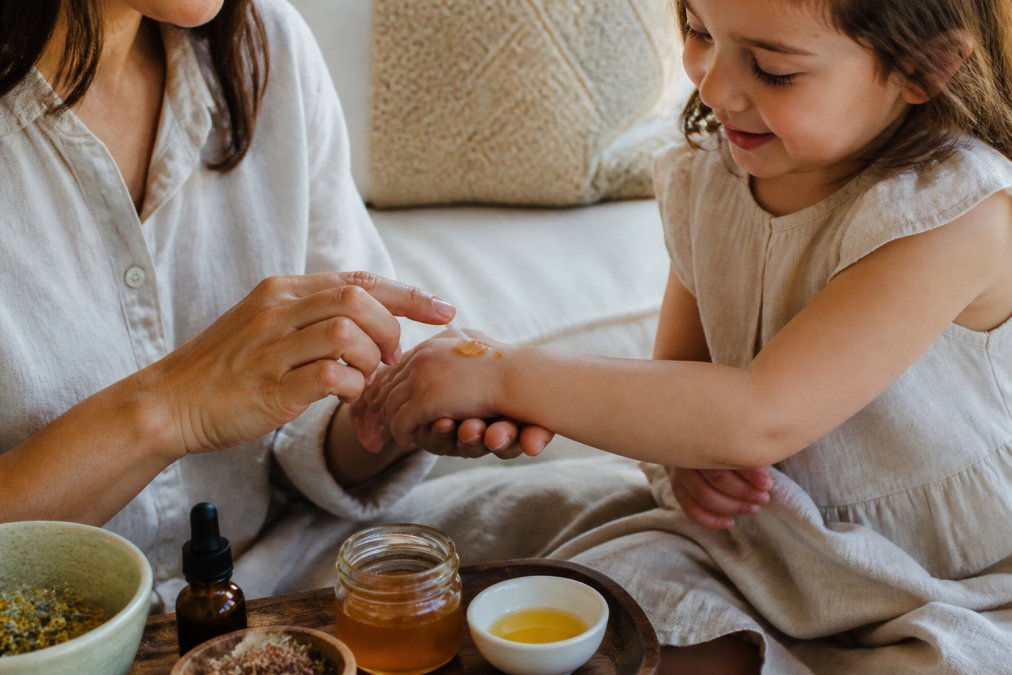
A few practical notes from working with sensitive skin:
FDA Regulations for Herbal Supplements: What the Label Doesn't Tell You
Herbal supplements fall under a different rulebook than drugs. The FDA regulates them as dietary supplements, which means products can be sold without pre-market approval for safety or effectiveness.
That's the single most important thing to understand when you buy organic botanical herbal remedies. Under the FDA's dietary supplement guidance, manufacturers are responsible for ensuring their products are safe and accurately labeled, but the agency doesn't verify claims before a product hits shelves. You'll see the disclaimer "not evaluated by the FDA" on labels for exactly this reason.
What this means in practice:
- A structure-function claim like "supports immune health" is allowed; a disease claim is not
- "Certified organic" is verified by a certifier, while "all-natural" is not regulated
- Third-party testing is voluntary, which is why brands that publish their standards stand out
- Always check for a named ingredient list and clear dosage directions
For shoppers comparing FTC guidance on health-related advertising, the takeaway is simple: claims must be truthful and not misleading, but the burden of proof sits with the seller, not a government reviewer.
Safety and Contraindications: What the Label Won't Tell You
The part that actually protects you is understanding potential interactions and contraindications, which labels rarely spell out.
A few general considerations before you buy:
- Blood thinners and surgery. Ginger, ginkgo, garlic, and turmeric can increase bleeding risk. Stop most herbal remedies at least two weeks before a scheduled procedure unless a clinician says otherwise.
- Thyroid and immune conditions. Echinacea and other immune-stimulating botanicals can interact with immunosuppressants and autoimmune management plans.
- Pregnancy and breastfeeding. Many otherwise gentle herbs, including some in the blends above, are not considered safe in pregnancy. Lavender, peppermint, and ginger are generally regarded as low-risk in food amounts, but concentrated extracts are a different question.
- Children. Raw honey is unsafe under one year due to infant botulism risk. Dosage scales by weight, not just age, so a child's teaspoon is not the same as an adult's tablespoon.
- Medication timing. Take herbal remedies at least two hours apart from prescription medications unless a pharmacist advises otherwise.
Preparation and Dosage: Getting the Most From What You Buy
- Loose-leaf teas. Use 1-2 teaspoons per 8 oz cup, water at 208°F, steep 5-10 minutes. Roots and barks need longer; flowers and leaves need less.
- Syrups. Shake before pouring, honey-based syrups separate. Refrigerate after opening and use within the window printed on the jar.
- Infused honeys. A teaspoon stirred into warm (not boiling) liquid preserves the volatile oils that give the botanical its character.
- Topical balms. Patch test on the inner forearm for 24 hours before applying to larger areas, and stop if redness or stinging increases.
Storage and Shelf-Life: Keeping Potency After Purchase
Potency can fade over time. Heat, light, and oxygen are factors that can affect it.
- Dried teas and loose herbs. Store in an airtight container away from the stove and windows. Most retain good flavor for 12-18 months; aroma is your best freshness test.
- Syrups. Refrigerate after opening.
- Infused honeys. Honey is shelf-stable, but the botanical infusion fades. Keep the jar in a cool, dark cabinet and use within about a year.
- Tinctures and liquid extracts. Amber glass, room temperature, tightly capped. Alcohol-based tinctures hold potency for years; glycerin-based ones fade sooner.
A simple rule: if it smells flat, looks cloudy when it shouldn't, or tastes off, replace it. Potency you can't perceive is potency you can't rely on.
Frequently Asked Questions
Where is the best place to buy organic herbs online?
Look for sellers who publish third-party test results and carry certifications like USDA Organic or Silver Certified Natural Business. Forev'Herbs lists full ingredient sourcing and holds Montgomery County Green Business certification, so you can trace what you're buying. Avoid marketplaces where multiple sellers list under one page; you can't verify handling or storage. Buying direct from the maker keeps the supply chain short and the potency intact.
How can I verify if an herbal remedy is truly organic?
Check for a USDA Organic seal or a recognized natural certification on the label, then confirm it on the certifier's website. Ask the brand for a certificate of analysis (COA) covering identity testing and microbial testing. Forev'Herbs carries Silver Certified Natural Business and Montgomery County Green Business certifications, which require documented sourcing and chemical-free processing. If a brand can't produce paperwork, treat the organic claim as marketing.
Are there FDA regulations for herbal supplements?
The FDA regulates herbal supplements as dietary supplements under DSHEA, not as drugs. That means products don't need pre-market approval for effectiveness, but manufacturers must follow good manufacturing practices, label ingredients accurately, and avoid disease claims. The FDA can act after a product hits shelves if it's unsafe or mislabeled. Statements like 'not evaluated by the FDA' on a label are required when a product makes a structure-function claim.
How do I store organic herbal remedies to maintain potency?
Keep syrups refrigerated after opening, as directed on Forev'Herbs labels, and use within the recommended window. Store loose-leaf teas and dried herbs in airtight containers away from light, heat, and moisture; a cool pantry works better than a shelf above the stove. Honeys stay shelf-stable but crystallize over time, which is normal. Heat and humidity degrade potency, so buy smaller quantities if you use herbs slowly.
What should I look for when buying botanical supplements?
Prioritize identity testing, microbial testing, and clear sourcing. Check whether the label names the plant part used (root, flower, leaf) and the amount per serving. Look for certifications like USDA Organic or Silver Certified Natural Business, and prefer small batch producers who date their batches. Forev'Herbs syrups, teas, and honeys list full ingredient decks and directions, which makes it easier to compare potency and freshness before you buy.